
Source: wildapricot.com
Leadership is a social and mutual influence process where multiple actors engage in leading-following interactions in service of accomplishing a collective goal. Leadership has nothing to do with seniority or one’s position in the hierarchy of a company. A Leader plans and organise work in their area of responsibility and about how they relate to it (CMI,2015).
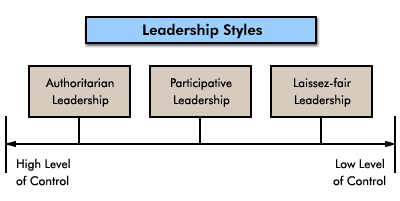
According to Mullins, in autocratic leadership style the focus of power is with the manager and all interaction within the group move towards the manager, and the manager has total control in decision-making, determining policy and procedures for achieving goals, work tasks and relationship and also controls the rewards or punishment (Mullins 2010: 381).
FINDING MY STYLE
There are numerous types of leadership style; one of which is transformational leadership style that is based on the leader’s capability to inspire and share the interest to followers. Transformational leaders support cognitive improvement in organisational members (Zagorsek, Dimovski and Skerlavaj 2009). There are numerous styles of leadership, but the one that I fell I am is Situational Leadership
Situational leadership is suitable for my future career in management consultancy. Since the culture of the work is dynamic, leaders should be flexible to implement the leadership style. Furthermore, a leader can make a difference by enhancing Virtue, Values, Vision and Voice (Grace 2006).
From Week One to Eleven
Personally, my weakness are presentation skills and Leadership. The first week all the students in the class were chosen randomly. In my group there were 5 different nationalities. As the weeks went by, through all the group meeting there was a constant improvement. Our group meeting started to get easier for delegation and there was an overall team morale. The activities that we did as a group help in laying some foundation and knowledge about the team members. The activities ranged from scavenger hunts to Blind Lego building.

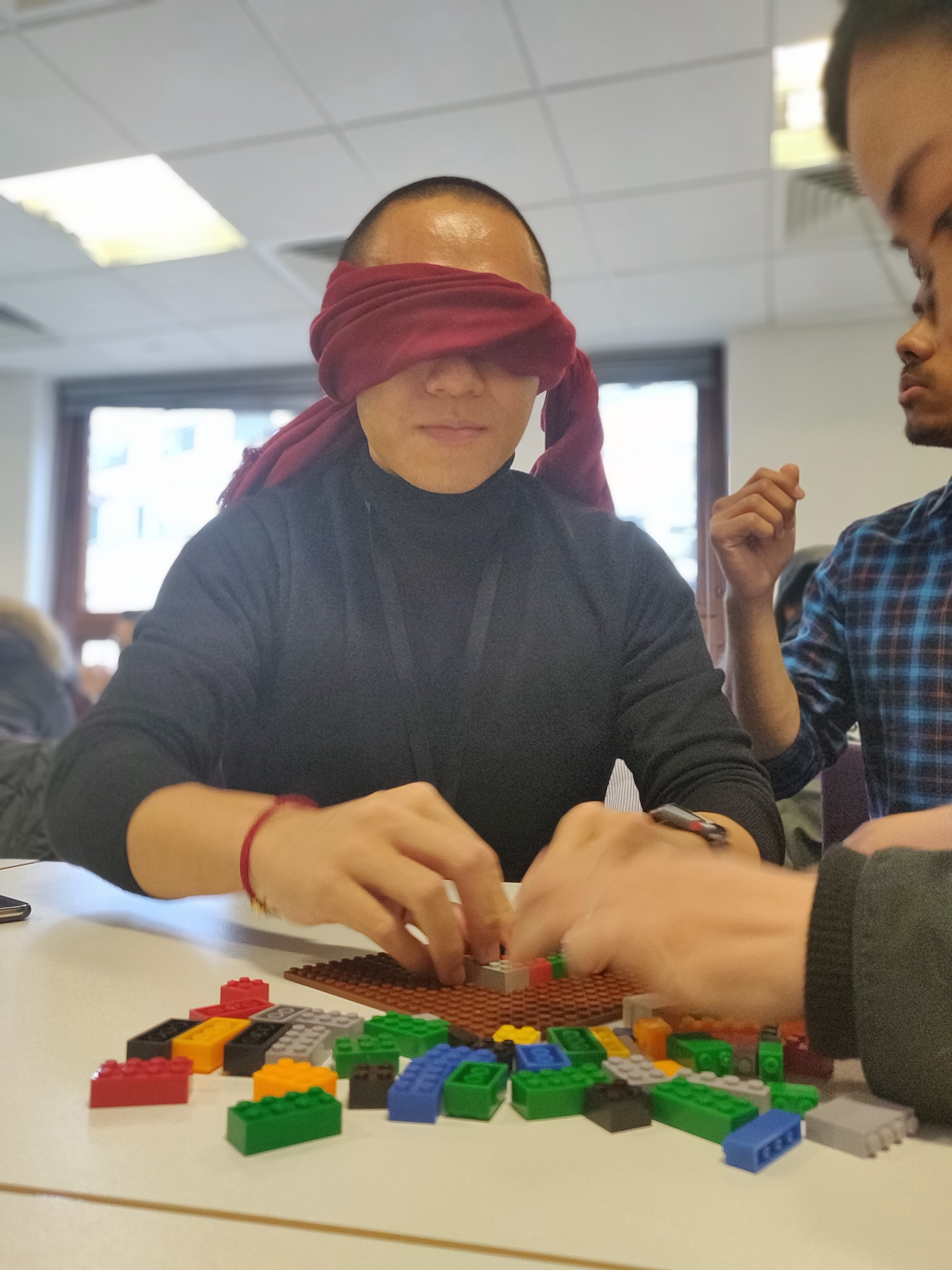
As we went from week one to the last week, it has been getting easier to evaluate and identify attributes about myself and others in the group. While evaluating myself and collecting feedback from group, I found that I am more a situational Leader. Situational leadership is more ideal than charismatic leadership (Graeff 1997)
Situational Leadership
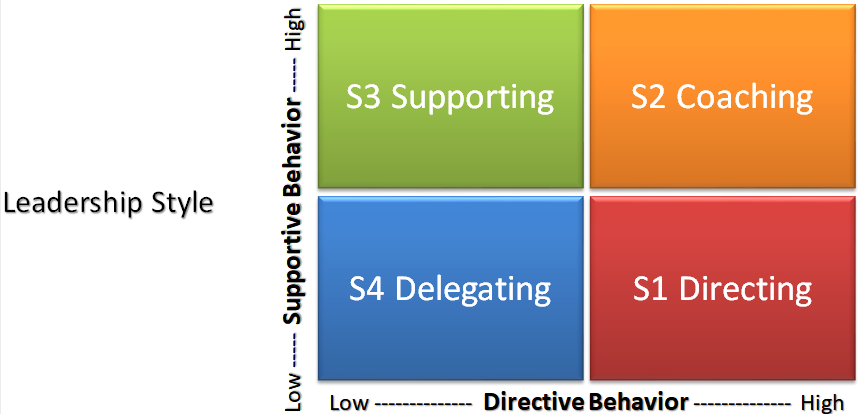
Source: drivenforward.com
Situational leadership is a leadership theory that merges both directive and supportive dimensions, and each of these dimensions is to be applied correctly in a given situation. Situational leadership means that leaders have to change the degree of supportiveness and directness to their employee according to the given situation of subordinates and their level of motivation (Ghazzawi et al. 2019)
I completely relate to this style of leadership. From an employee point of view I feel like I will be most receptive to this leadership style.
Attributes of a good leader are
- Honesty
- Ability to Delegate
- Communication
- Confidence
- Commitment
The above are the characteristics of a leader. Any large or small, and the most important thing is not to panic in front of uncertainty. Part of your job as a leader is to extinguish fires and keep the morale of the team. Keep your level of confidence and assure everyone that setbacks are natural and focusing on the broader goal is important.
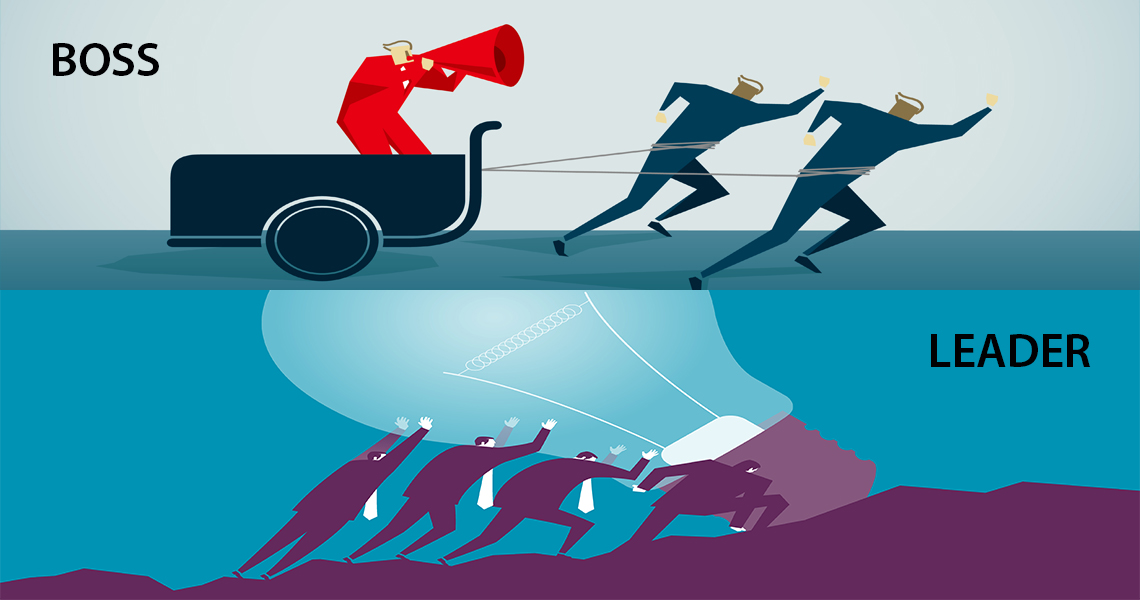
Source: 2discover.com
Leader in Progress
The question of ‘Are Leaders Born or Made?’ is a highly debatable one. Even though I am not a natural born leader I believe that leaders can be made as well. According to me experience dictated how you solve a problem. There are no shortcuts to becoming a leader. Situational leadership is the style I want to develop.
The Leadership style that appeals to me is Situational Strategy. As i go through different scenarios in a business, it will help me meld my leadership skills. I will be continuing to develop my skills and strengths to be a good leader in my future careers.
Reference
Grace, B. (2006) Ethical leadership: in pursuit of the common good. Seattle, WA: Center for Ethical Leadership
Zagoršek, H., Dimovski, V., & Škerlavaj, M. (2009) ’Transactional and Transformational Leadership Impacts on Organizational Learning’. Journal for East European Management Studies, 144-165.
Mullins, L., (2016) Management and Organizational Behavior, 11thedn., Harlow: Pearson.
CMI (2015) Management and Leadership Styles [online] available from < https://www.managers.org.uk/knowledge-bank/management-and-leadership-styles > [6 April 2019]
Graeff, C. L. (1997) ‘Evolution of situational leadership theory: A critical review’. The Leadership Quarterly, 8(2), 153-170.DOI: 10.1016/S1048-9843(97)90014-X
Ghazzawi, K., Shoughari, R. and Osta, B. (2019) Situational Leadership And Its Effectiveness In Rising Employee Productivity: A Study On North Lebanon Organization [online] available from <http://article.sapub.org/10.5923.j.hrmr.20170703.02.html> [14 April 2019]



 Shebin's Leading In a Changing World Blog